Chronic Conditions
Your conditions, understood through Ayurveda. Learn the root causes, the tissues and channels affected, and the foods and herbs that heal.
Chronic Illnesses Intro
In Ayurveda, disease isn't something that suddenly happens to you. It doesn't arrive out of nowhere. Instead, it builds slowly — like water quietly filling a pot before it finally boils over. The Sanskrit word for disease is vyadhi, and Ayurveda teaches that every chronic condition follows a clear, predictable path long before you ever feel truly "sick." Understanding that path is one of the most powerful things you can do for your health.
This journey from balance to chronic disease is called Samprapti, and it unfolds in six stages known as Shat Kriyakala. Let's walk through them together using one simple story — what starts as occasional bloating after meals.
- Accumulation (Sanchaya)
A destabilizing force begins to quietly build up in its home territory. Maybe you've been eating late, skipping meals, or living with constant stress. Digestive energy starts to weaken. You notice you feel a little heavy or sluggish after eating — nothing alarming, just a subtle sign that something is accumulating beneath the surface. - Aggravation (Prakopa)
The buildup intensifies and overflows. Your body starts waving a flag. The bloating becomes more frequent. You might notice heartburn, a feeling of fullness that lingers, or a growing sensitivity to certain foods. Your body is asking you to pay attention — but it's easy to brush off at this stage. - Spread (Prasara)
The excess leaves its home and enters general circulation, wandering through the body and looking for a vulnerable place to settle. You might feel fatigue, brain fog, or mild discomfort in different areas. At this point, a standard blood test would likely show nothing unusual. But something is quietly on the move. - Lodging (Sthana Samshraya)
The wandering imbalance finds a weak spot — perhaps the intestinal lining — and settles in. The digestive issues become more consistent and localized. You start identifying specific trigger foods. A pattern is forming, even if a diagnosis hasn't arrived yet. - Manifestation (Vyakti)
Clear, recognizable symptoms emerge. A doctor can now name what's happening — perhaps irritable bowel syndrome or acid reflux. This is typically where conventional medicine first steps in. For Ayurveda, this is already stage five of six. - Complications (Bheda)
Without meaningful intervention, the condition becomes deeply rooted and begins to affect surrounding tissues and systems. What started as bloating may now involve nutrient deficiencies, anxiety, or skin issues. Reversal becomes significantly harder.
Here is the empowering truth: the earlier you catch it, the easier it is to turn around. Stages one through three are where Ayurveda truly shines — recognizing subtle signals that conventional medicine wouldn't yet consider a problem. That early awareness is your greatest advantage, and it's exactly what we work with here.
ALS (Lou Gehrig's Disease)

Addiction

Alzheimer's Disease

Anxiety
Arthritis

Asthma
Atrial Fibrillation
Autism Spectrum Disorders
Cancer

Cardiovascular Disease
Chronic Kidney Disease
Chronic Liver Disease
Chronic Obstructive Pulmonary Disease
Crohn's Disease
Cystic Fibrosis
Depression
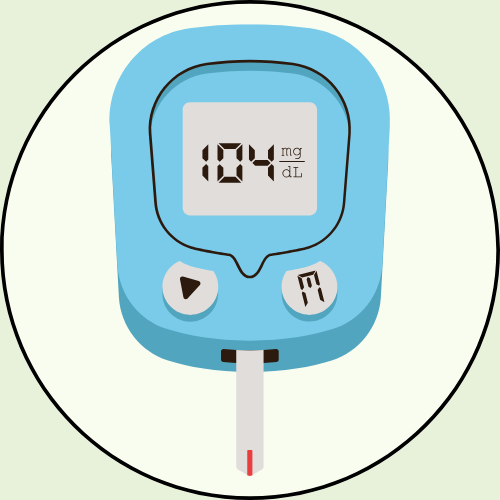
Diabetes
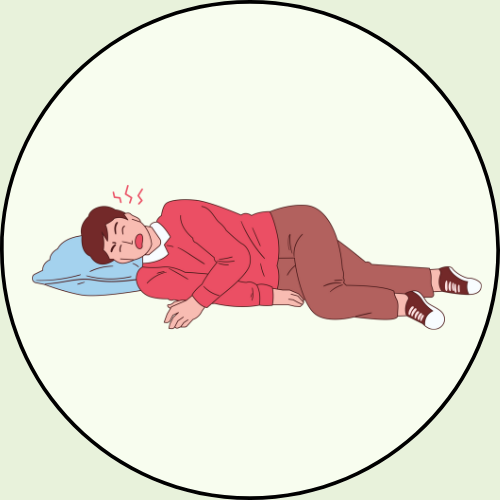
Epilepsy
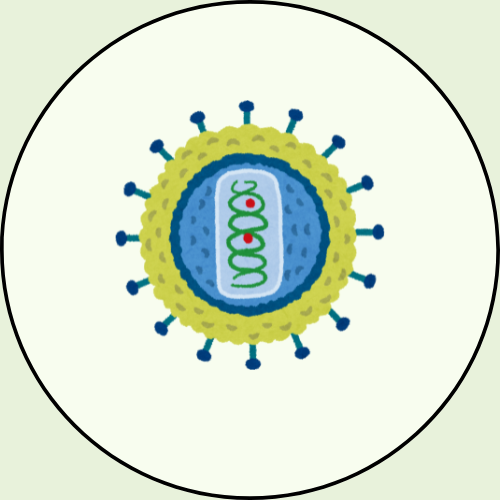
HIV/AIDS

Heart Disease
Hepatitis C
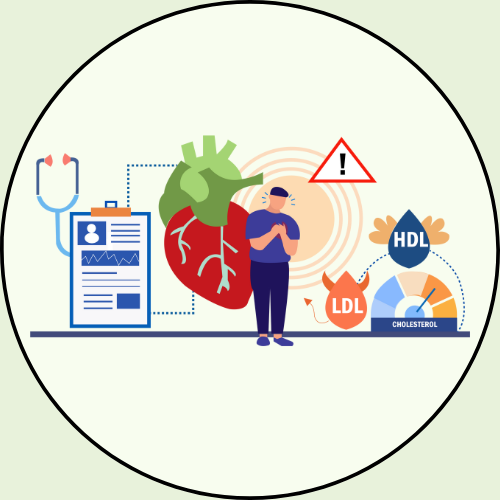
High Cholesterol
Hypertension
Obesity
Osteoporosis
Parkinson's Disease

SIBO (Small Intestinal Bacterial Overgrowth)

Stroke
Thyroid Disorders